

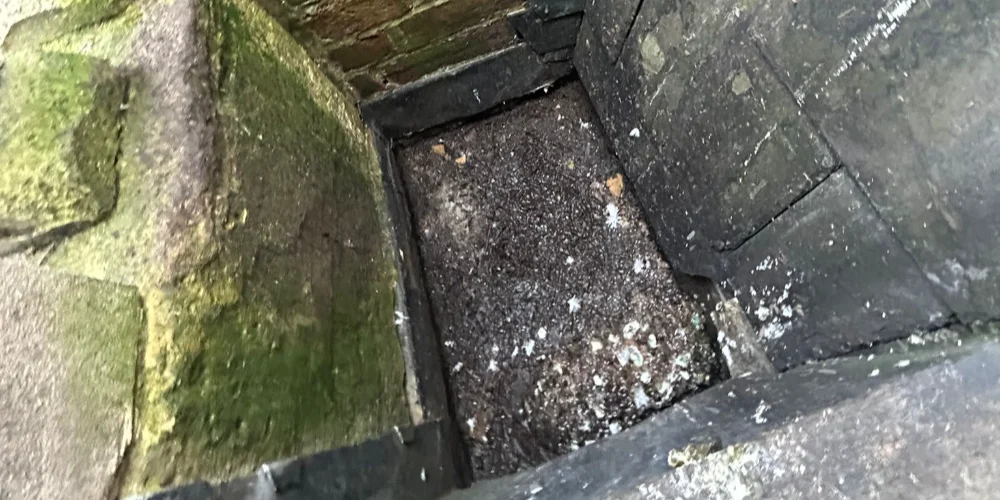
Gutters are among the most overlooked components of a property. Because they sit quietly along the roofline and rarely draw attention, many homeowners in Cheltenham only think about their gutters when something goes wrong. Unfortunately, by the time damage becomes visible, the underlying problem is often far more serious – and far more expensive – than a simple clean or repair would have been.
Small gutter issues almost never stay small. When rainwater is not properly controlled and directed away from a property, it will always find another route. Over time, that uncontrolled water can undermine roofs, walls, brickwork, and even foundations. In period homes, Regency terraces, and Cotswold stone properties common across Cheltenham, the risks are even greater due to older construction methods and materials.
This article explains how minor gutter problems escalate into major structural damage, what warning signs homeowners should look for, and why regular gutter maintenance is one of the most cost-effective ways to protect your property.
Why Gutters Play a Critical Role in Structural Protection
Gutters are not cosmetic. They are an essential drainage system that collects rainwater from the roof and safely directs it away from the building. When functioning properly, they prevent water from soaking into walls, eroding mortar joints, and pooling at the property’s base.
Cheltenham experiences regular rainfall throughout the year, and heavy downpours are becoming more common. When gutters are blocked, damaged, or misaligned, the volume of water they cannot carry can quickly overwhelm surrounding structures.
Even a small section of gutter that overflows during heavy rain can repeatedly saturate brickwork and masonry. Over time, that moisture penetrates deeper into the building fabric, creating issues that extend far beyond the roofline.
The Most Common “Small” Gutter Problems Homeowners Ignore
Many of the most serious structural problems start with issues that appear insignificant at first glance.
Blocked Gutters from Moss and Debris
In Cheltenham and the surrounding Cotswolds, roof moss is extremely common, particularly on older tiled and slate roofs. Moss gradually breaks down and washes into the guttering system, combining with leaves and debris to form dense blockages.
At first, the gutter may still drain slowly. Over time, water backs up and overflows onto walls and fascia boards. Because this happens gradually, many homeowners do not notice until visible damage appears.
Minor Leaks at Joints and Brackets
Small leaks often develop at gutter joints, brackets, or seals. These leaks may only drip during heavy rainfall, making them easy to overlook.
However, repeated dripping in the same location can saturate brickwork, timber, or stonework. In period properties in areas such as Pittville and Montpellier, this moisture can accelerate the decay of traditional materials that were never designed to withstand constant wetting.
Sagging or Misaligned Gutters
Gutters that sag slightly or are angled incorrectly may still appear functional, but they no longer channel water efficiently. Instead of flowing towards downpipes, water pools in sections of the gutter, increasing the weight and strain on fixings.
Over time, this leads to further sagging, cracked joints, and eventually water spilling directly onto walls.
How Gutter Problems Lead to Roof Damage
Roof damage is often one of the earliest structural consequences of faulty gutters.
When water backs up in blocked gutters, it can soak into the roof edge and under the first row of tiles. This moisture can rot timber battens and roof timbers, weakening the roof structure from the outside in.
During winter, trapped water can freeze and expand, forcing tiles out of alignment and creating gaps that allow even more water to enter the roof space. Over time, this can lead to persistent leaks, damp insulation, and reduced thermal efficiency.
Homeowners are often surprised to learn that a leaking roof was caused not by failed tiles, but by neglected guttering.
Damage to Fascias, Soffits, and Roofline Timbers
The roofline is particularly vulnerable when gutters fail.
Overflowing gutters constantly soak fascia boards and soffits, especially during prolonged rainfall. Timber fascias are especially susceptible to rot when exposed to repeated moisture. Once rot sets in, it spreads quickly, compromising the fixings that hold the guttering in place.
This creates a vicious cycle: weakened fascias lead to loose gutters, which then overflow, accelerating further damage.
In many Cheltenham homes, fascia and soffit repairs are necessary not because of age, but due to long-term gutter neglect.
Water Penetration and Internal Damp Issues
One of the most costly consequences of gutter problems is water ingress into the building itself.
When rainwater repeatedly runs down external walls, it can penetrate through mortar joints and porous stone or brickwork. Over time, this leads to internal damp patches, peeling paint, mould growth, and damage to plasterwork.
In older properties, where solid walls are common, moisture has fewer barriers to reach internal surfaces. Homeowners may treat the symptoms – repainting or replastering – without realising the root cause lies above, in the guttering system.
Structural Wall Damage and Masonry Decay
Uncontrolled rainwater can be devastating for masonry.
Persistent wetting weakens mortar joints, leading to cracking and erosion. As mortar deteriorates, bricks and stone lose support, increasing the risk of movement and structural instability.
Cotswold stone, while beautiful, is particularly vulnerable to prolonged exposure to moisture. Once water penetrates the stone, it can cause surface spalling and long-term degradation, which are expensive to repair.
These issues often begin silently, with gutter overflow causing damage that remains hidden until significant repairs are required.
Foundation Problems Caused by Poor Drainage
Perhaps the most serious long-term consequence of faulty gutters is foundation damage.
When rainwater is not directed away from the property, it pools at ground level around the base of walls. Over time, this water saturates the soil, increasing pressure against foundations and encouraging movement.
In extreme cases, this can lead to wall cracking, uneven floors, and structural instability. While foundation repairs are rare, they are among the most expensive building issues a homeowner can face – and they often begin with something as simple as blocked or leaking gutters.
Why Cheltenham Properties Are Particularly at Risk
Cheltenham’s housing stock includes a high proportion of older and character properties. Many were built long before modern damp-proofing and drainage standards were introduced.
Features such as shallow foundations, solid walls, and traditional materials require effective rainwater management. When gutters fail, these buildings have far less tolerance for excess moisture.
Additionally, tree-lined streets in areas such as Prestbury and Charlton Kings increase the risk of gutter blockages from leaves and debris, making regular maintenance even more important.
Early Warning Signs Homeowners Should Never Ignore
Recognising gutter problems early can prevent extensive damage.
Signs to watch for include:
- Water spilling over the gutter edges during rain
- Damp patches on external walls
- Staining or peeling paint beneath gutters
- Moss growth along walls or near the base of the property
- Sagging or visibly misaligned gutter sections
Addressing these issues promptly can save thousands of pounds in future repair costs.
The Value of Preventive Gutter Maintenance
Regular gutter cleaning and inspection are among the simplest and most cost-effective forms of property maintenance.
By clearing debris, checking joints, and ensuring correct alignment, small issues can be identified before they escalate. Professional inspections can also highlight early signs of roofline or masonry problems caused by water exposure.
For homeowners in Cheltenham, preventive maintenance not only protects the property’s structure but also preserves kerb appeal and long-term value.
When Professional Inspection Makes Sense
Some gutter issues are not visible from ground level. This is where professional inspections, including drone roof surveys, provide real value.
Drone inspections allow specialists to assess gutters, downpipes, roof edges, and hidden problem areas safely and accurately. This approach is particularly useful for taller properties, period homes, and buildings with difficult access.
Early intervention, guided by a thorough inspection, can prevent minor gutter defects from escalating into major structural repairs.
Small Problems, Big Consequences
Gutters may seem insignificant, but their impact on a property’s health is substantial. What starts as a small blockage or minor leak can quietly undermine roofs, walls, and foundations over time.
For Cheltenham homeowners, landlords, and property managers, proactive gutter care is not an optional extra – it is a critical part of protecting your investment. Addressing small issues early ensures they remain small.
Related Articles
- From Overflow to Subsidence: The Long Journey of a Gutter Leak
- Gutters vs Clay Soil: How Poor Drainage Affects Foundations in the Cotswolds
- How to Identify and Fix Hidden Gutter Damage
What starts as a small gutter issue can quickly escalate if left untreated. Cotswold Roofing & Guttering offers guttering services to catch problems early. Water damage from failing gutters can also affect your fascias and soffits, so it is worth getting the whole roofline checked. When debris and branches cause the damage, your roof may need attention too. Read about how fallen branches damage your roofline. See our customer reviews.
You can find more detail on this subject in our comprehensive guttering guide.