
EPDM vs Felt vs Fibreglass: How to Choose
Choosing between EPDM vs felt vs fibreglass is one of the most important decisions you will make when replacing a flat roof. Each material has clear strengths and weaknesses, and the right choice depends on your budget, your property, and how long you want the roof to last. This guide compares all three so you can make an informed decision.
We work with all three materials across Cheltenham and Gloucestershire. As a result, we see how each one performs in real-world conditions on local properties, from garage roofs in Charlton Kings to dormer extensions in Prestbury. Here is an honest comparison based on what we see every day.
EPDM Rubber
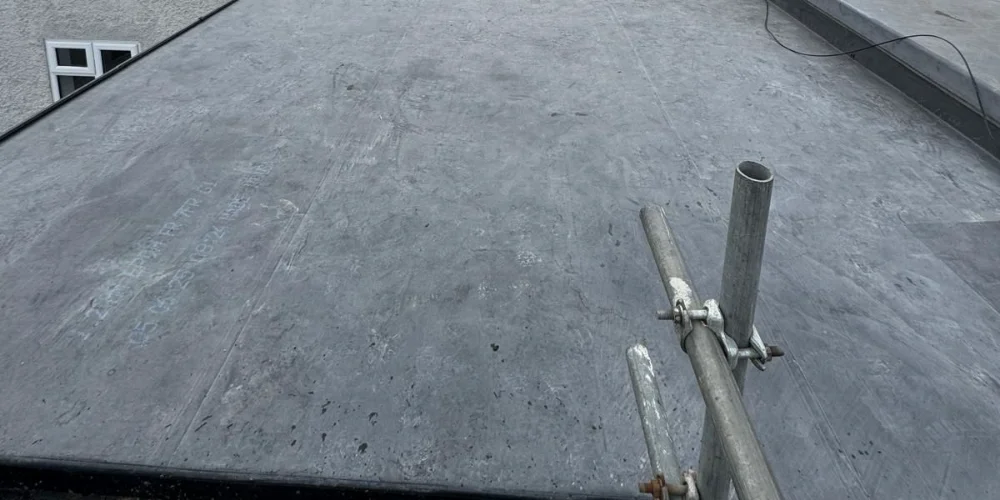
EPDM (ethylene propylene diene monomer) is a synthetic rubber membrane that has become one of the most popular flat roof materials in recent years. Suppliers deliver it in large sheets, which means smaller roofs can often be covered in a single piece with no seams at all.
Why Homeowners Choose EPDM
EPDM is extremely durable. It resists UV radiation, temperature extremes, and general weathering without becoming brittle. This flexibility is a major advantage in Cheltenham’s variable climate, where temperatures can swing significantly between seasons. Unlike felt, EPDM does not crack in cold weather or blister in the heat.
A properly installed EPDM roof can last 25 to 30 years or more. In addition, it requires very little maintenance beyond keeping the surface clear of debris and ensuring the drainage outlets stay unblocked. The material is also recyclable at the end of its life, making it an environmentally sound choice.
Things to Consider
EPDM cannot handle regular foot traffic without a protective walkway. The adhesive bonding process also requires dry conditions during installation, so timing matters. While the upfront cost is higher than felt, the longer lifespan means EPDM often works out cheaper per year of service.
Torch-On Felt
Torch-on felt is the modern successor to traditional pour-on bitumen felt. Installers heat a modified bitumen membrane with a gas torch and bond it to the roof surface in layers. It is a well-established system that roofers have used on flat roofs for decades.
Why Homeowners Choose Felt
A quality torch-on felt system, applied in two or three layers, provides a robust and waterproof finish. It handles foot traffic better than EPDM, which makes it a sensible choice for roofs that need occasional access. For example, you might need to reach a boiler flue or clean the gutters above a single-storey extension.
Felt is generally the most affordable of the three options. Consequently, it remains a popular choice for garage roofs, outbuildings, and projects where budget is a primary concern. The installation process is quick and can be completed in most weather conditions.
Things to Consider
Torch-on felt typically lasts 15 to 20 years, depending on the quality of the materials and the standard of installation. This is shorter than both EPDM and fibreglass. Over time, the surface becomes rough and granular as the top layer wears, and seams can eventually fail. Therefore, if you plan to stay in your property long term, a material with a longer lifespan may offer better value.
Fibreglass (GRP)
Fibreglass, also known as GRP (glass reinforced polyester), creates a seamless, rigid shell over the entire roof. Installers apply a liquid resin with a glass fibre mat, then roll and cure it to form a single waterproof layer with no joints or seams.
Why Homeowners Choose Fibreglass
The seamless finish is the biggest selling point. Because there are no joints, there are fewer potential failure points compared to felt or EPDM. Fibreglass also creates a hard, walkable surface, which makes it ideal for balconies, roof terraces, and flat roofs that need regular access.
GRP roofs typically last 20 to 25 years. They require very little maintenance and look clean and modern when finished. According to the National Federation of Roofing Contractors, fibreglass is one of the most reliable flat roof systems when installed correctly on a stable substrate.
Things to Consider
Fibreglass costs more than felt and requires specific weather conditions for installation. The resin needs dry, mild weather to cure properly. Cold or damp conditions during application can lead to cracking and delamination later. On older extensions with timber decking that flexes slightly, fibreglass can be less forgiving than EPDM because it is a rigid material. If the substrate moves, the GRP can crack.
Comparing EPDM vs Felt vs Fibreglass Side by Side
Here is a quick comparison of the three materials on the factors that matter most to homeowners.
For lifespan, EPDM leads at 25 to 30 years. Fibreglass follows at 20 to 25 years. Torch-on felt comes in at 15 to 20 years. However, all three lifespans depend heavily on the quality of installation and ongoing maintenance.
For upfront cost, felt is the cheapest option. EPDM sits in the middle. Fibreglass is the most expensive. When you spread the cost over the expected lifespan, however, EPDM often offers the best value per year.
For maintenance, all three are relatively low-maintenance. EPDM and fibreglass both need occasional cleaning and drainage checks. Felt may need more frequent inspections as it ages, particularly around seams and edges.
For foot traffic, fibreglass is the strongest. It creates a hard surface you can walk on regularly. Felt handles occasional foot traffic well. EPDM needs a protective walkway for regular access.
Which Material Do We Recommend?
For most residential flat roofs in Cheltenham, we recommend EPDM as the best all-round option. It offers the longest lifespan, handles our variable weather well, and provides excellent value over its lifetime. For budget-sensitive projects or outbuildings, torch-on felt is a reliable and proven choice. For roofs that need regular foot traffic or a premium finish, fibreglass is worth the extra investment.
Ultimately, the best material depends on your specific situation. We discuss all the options with you during the quoting process and recommend what suits your property and budget. There is never any pressure to choose the most expensive option.
Our Guarantee and Insurance
Every flat roof installation and repair we carry out is backed by our workmanship guarantee and full public liability insurance up to £1 million. We also check the condition of your guttering and fascias during the survey, as flat roof drainage depends on these working properly.
Get Expert Advice on Your Flat Roof
If you are weighing up EPDM vs felt vs fibreglass and you are not sure which material is right, get in touch. We assess your roof, discuss the options honestly, and provide a clear written quote with no obligation. Call us on 01242 361 626 or get in touch through our contact form today.
Related Articles
- What Everyone Should Know About Flat Roof Repairs
- Why Is My Flat Roof Leaking? Common Causes and What to Do
- How Long Do Flat Roofs Last?
Cotswold Roofing & Guttering offers a full range of roofing services across Cheltenham and Gloucestershire. Choosing a new material often goes hand in hand with deciding whether your roof needs replacing. Find out how to know when it’s time for a new roof. Read what our customers say.
For a broader overview of this topic, read our complete guide to roof repairs in Cheltenham.