

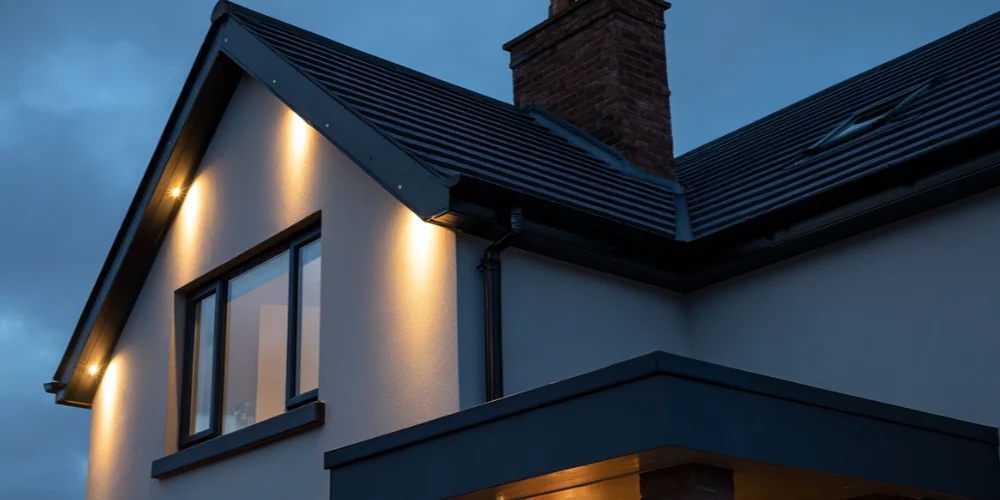
If you are asking, Is Chimney Flashing Causing My Roof Leak, you are already thinking in the right direction. In Cheltenham and across the Cotswolds, chimney flashing remains one of the most common sources of roof leaks. Because chimneys interrupt the roof structure, they create natural weak points. Therefore, when flashing fails, water quickly seeps in.
However, not every roof leak near a chimney is caused by flashing. Although flashing often plays a role, other structural issues can produce similar symptoms. So before assuming anything, it helps to understand how chimney flashing works, why it fails, and what warning signs to watch for.
This guide explains exactly how flashing causes leaks, how to confirm the problem, what repairs involve, and when Cheltenham homeowners should act.
What Does Chimney Flashing Actually Do?
Chimney flashing seals the joint where the chimney stack meets the roof covering. Without it, rainwater would pour directly into the gap between brickwork and tiles.
Most chimneys in Cheltenham use lead flashing because lead:
• Expands and contracts with temperature changes
• Moulds tightly to roof tile profiles
• Resists corrosion
• Lasts for decades when installed correctly
Flashing typically consists of two parts. First, base flashing sits under tiles and turns up against the chimney. Second, stepped flashing inserts into mortar joints and overlaps the base layer. Together, they direct water safely down the roof.
However, because the chimney and roof move differently, flashing sits under constant stress. As a result, failure eventually occurs if installation or maintenance falls short.
Is Chimney Flashing Causing My Roof Leak After Heavy Rain?
If your leak worsens during heavy or wind-driven rain, flashing is often the culprit.
During storms in the Cotswolds, wind forces rain sideways beneath roof tiles. Consequently, even small gaps in flashing allow water entry.
You might notice:
• Water stains on the ceiling near the chimney breast
• Damp patches spreading after rainfall
• Dripping inside the loft around chimney rafters
• Mould forming along chimney corners
Because water travels down internal masonry, the visible stain may appear lower than the entry point. Therefore, accurate diagnosis requires identifying the highest-potential defect.
Why Does Lead Flashing Fail Over Time?
Even high-quality lead flashing does not last forever. Several factors accelerate failure in Cheltenham properties.
First, thermal expansion causes the lead to move slightly every day. Over the years, this movement loosens fixings and mortar seals.
Second, poor installation creates early failure. For example, if flashing sits too tightly without an expansion allowance, it splits along folds.
Third, cement pointing sometimes cracks away from the lead edges. Once gaps form, rainwater slips behind the flashing.
In addition, some older homes still rely on patch repairs with sealants rather than proper stepped lead installation. Although sealants may hold briefly, they degrade quickly under UV exposure.
Consequently, flashing leaks frequently reappear after temporary fixes.
How Can I Tell If Flashing Is the Problem?
While only a roof inspection confirms the cause, certain signs strongly suggest flashing failure.
Leaks occur primarily during heavy rainfall rather than constant damp weather. Stains often follow the line of the chimney breast. In the loft, you may see water trails running down rafters close to the chimney.
Externally, flashing may appear lifted, cracked or poorly secured into mortar joints.
However, chimney pointing deterioration can produce similar symptoms. Therefore, a professional inspection remains essential before committing to repairs.
Can Roof Tiles Around the Chimney Cause Similar Leaks?
Yes, and this is where misdiagnosis sometimes happens.
Broken or slipped tiles around the chimney allow water to seep beneath the flashing. Consequently, the leak appears identical to a flashing failure.
In Cheltenham, clay tiles often shift slightly over time due to weather exposure. If tile alignment changes near the chimney junction, water flow patterns alter.
Therefore, experienced roofers assess both flashing and surrounding tiles during inspection.
Is Chimney Flashing Causing My Roof Leak in Winter?
Winter weather frequently exposes flashing defects.
Freeze-thaw cycles widen mortar cracks around flashing edges. Meanwhile, heavy rainfall saturates brickwork. Strong winds then drive water into any existing gap.
Because winter storms in the Cotswolds combine these elements, many homeowners notice leaks for the first time during colder months.
Even so, the flashing may have deteriorated years earlier. Winter reveals the weakness.
How Serious Is a Flashing Leak?
Flashing leaks often start small. However, because water penetrates at the roof level, it can spread into structural timbers.
Over time, this can lead to:
• Rotting rafters
• Damaged battens
• Insulation saturation
• Ceiling plaster failure
• Mould development
Although the initial stain may seem cosmetic, continued moisture weakens the surrounding structure.
Therefore, addressing flashing issues early prevents more invasive repairs later.
How Is Chimney Flashing Repaired in Cheltenham?
Repair depends on defect severity.
If the flashing has lifted but remains intact, roofers may refix and reseal it correctly into mortar joints.
However, if the lead has split or cracked, full replacement provides a longer-term solution. During replacement, roofers remove surrounding tiles, install new base flashing, cut stepped chases into mortar joints, and properly secure new lead sections.
Because correct expansion allowance matters, professional installation ensures durability.
Temporary sealant repairs rarely last. Although they may briefly reduce leaks, they fail under sustained movement.
How Much Does Chimney Flashing Repair Cost?
Costs vary based on access requirements, chimney height and defect severity.
Minor refixing generally costs less than complete replacement. However, scaffold access can sometimes increase overall costs.
Even so, flashing repair typically costs far less than structural timber replacement caused by prolonged leaks.
Therefore, investing in early flashing repair protects both your home and your finances.
Can I Repair Chimney Flashing Myself?
Some homeowners consider DIY flashing repairs. However, roof work presents safety risks.
In addition, improper installation can worsen leaks. For example, incorrectly cut mortar chases may allow more water entry. Furthermore, sealant-only repairs usually fail quickly.
Because chimney flashing sits at roof height, professional access equipment and experience reduce risk and ensure lasting results.
Are Flashing Leaks Common in Cheltenham Properties?
Yes, particularly in older homes with:
Original lead flashing
Lime mortar pointing
Clay tile roofs
Tall exposed chimney stacks
While these features add character, they require periodic maintenance.
Cheltenham’s weather accelerates wear. Therefore, routine roof inspections help detect flashing deterioration before leaks develop.
When Should I Call a Roofer for Flashing Issues?
You should arrange an inspection if:
• Water stains appear near the chimney
• Leaks worsen during storms
• Flashing looks loose or lifted
• Mortar joints around flashing crack
• Loft timbers near the chimney feel damp
Early inspection prevents escalation.
Does Insurance Cover Chimney Flashing Leaks?
Insurance coverage depends on policy terms. Sudden storm damage may qualify. However, gradual deterioration often falls under maintenance responsibility.
Therefore, documenting flashing conditions through professional inspection helps clarify whether storm damage contributed.
How Can I Prevent Future Flashing Leaks?
Regular roof inspections reduce unexpected leaks. In addition, keeping gutters clear prevents water from backing up near chimney junctions.
Meanwhile, repointing mortar joints when cracks first appear protects flashing edges.
Although flashing lasts decades when installed correctly, proactive maintenance extends its lifespan.
Why Acting Early Protects Your Property Value
Surveyors commonly flag damp chimney breasts during home sales. Even minor flashing leaks create buyer concern.
Because buyers often assume the worst, unresolved roof leaks erode confidence.
Addressing chimney flashing repair in Cheltenham before listing your property provides reassurance and strengthens your negotiation position.
What Should Cheltenham Homeowners Do Next?
If you are still wondering whether Chimney Flashing is Causing My Roof Leak, the safest approach is a professional inspection.
Although frequent flashing failures cause chimney leaks, accurate diagnosis prevents unnecessary work. At Cotswold Roofing & Guttering, we inspect roof leaks around chimney flashing issues across Cheltenham and the wider Cotswolds.
Because we understand local building styles and weather conditions, we identify root causes and provide durable repairs.
Water rarely resolves itself. However, early flashing repair protects your roof structure, prevents internal damage and restores peace of mind.
If you have noticed water coming through your chimney or damp near the chimney breast, arrange an inspection before the next heavy rainfall turns a small defect into a larger repair.
Related Articles
- Should I Be Worried About a Small Roof Leak?
- Why Is Water Dripping Down My Chimney Breast?
- Top 10 Causes of Roof Leaks and How to Prevent Them
If you think your chimney flashing is the cause of a roof leak, our team can investigate and repair it. Browse our roofing services for the full range of repairs we offer. A drone survey can help identify flashing faults that are not visible from the ground. Contact us to inspect your chimney flashing.
For a broader overview of this topic, read our complete guide to roof repairs in Cheltenham.